
Seminole County Criminal History Checks
No one database contains the whole Seminole County criminal history. A current custody question belongs with the Sheriff’s Office and its live jail list. Felony filings, judgments, and certified copies belong with the Clerk of Superior Court. A statewide felony-conviction name search runs through Georgia Felon Search, while a person reviewing a fuller Georgia history may request it through a local law-enforcement agency under that agency’s rules. Full name, date of birth, race, sex, prior names, and an estimated event date help separate people with similar names.
Use the narrowest official source first, then compare related records. A booking can appear before a prosecutor files a case. A dismissal may reach the clerk before GCIC receives the final disposition. Search results are leads to the source file, not substitutes for it.
- Identify whether the question concerns an arrest, court case, conviction, custody status, or your own statewide record.
- Search the matching official channel with the most complete identity and date information available.
- Confirm the county, court, arresting agency, and case or offense tracking number before treating a result as a match.
- Open or request the underlying booking, incident report, docket, or judgment to learn the latest status.
- Ask the custodian for a certified copy or official fingerprint process when ordinary screen results are not enough.
Seminole County Records Offices
Two Donalsonville counters hold most local source records. The courthouse is the practical starting point for a filed criminal case. The sheriff’s office is the starting point for sheriff-created reports, bookings, jail custody, and local warrant questions. Call ahead when the request involves an old file, accessibility needs, or an uncertain court. Official sources do not publish parking, entry-screening, or phone-storage rules.
Superior Court Clerk
200 South Knox Avenue
Donalsonville, GA 39845
229-524-2525
Monday-Friday, 8 a.m.-5 p.m.
Sheriff and Jail
208 Court Street
Donalsonville, GA 39845
229-524-5115
Records processed weekdays, 9 a.m.-5 p.m., excluding holidays
The current Seminole County Sheriff site confirms the local office channel; the older dot-com domain is not an official records portal. Its current page image also helps readers recognize the right source.
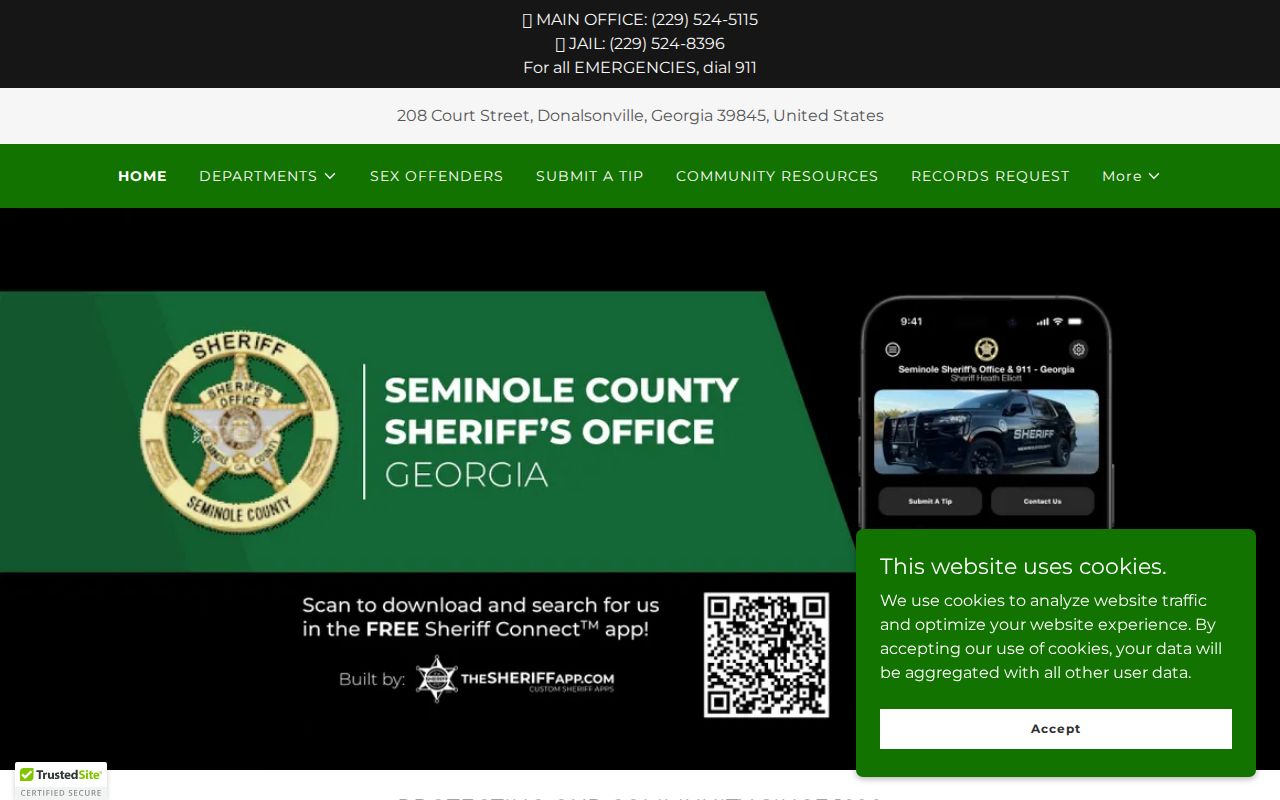
The sheriff page leads to office contacts and the jail function, while filed charges and final judgments remain with the proper court clerk.
The clerk manages Superior, Juvenile, and Magistrate records, according to the Clerks’ Authority profile. That makes the Knox Avenue counter useful when a searcher is unsure which of those local dockets contains a matter. Probate and Municipal Court records still follow their own custodians. Fax requests to the Superior Court clerk can use 229-524-8883, but a caller should confirm copy costs, certification needs, and delivery terms before sending payment. The sheriff’s jail number is separate from the main office line because custody confirmation and report access are different tasks.
Official Background Checks in Georgia
The Georgia Bureau of Investigation’s Georgia Crime Information Center is the central repository. Public access comes in layers. Georgia Felon Search provides a paid, name-based search of Georgia felony conviction information. It asks for full name, race, sex, and date of birth. A no-result screen does not establish that a person has no arrest, misdemeanor, federal, sealed, or out-of-state record.
GCIC says it does not perform general public name checks itself. Local police and sheriffs may provide broader Georgia criminal-history copies under local identification, consent, and fee rules. Fingerprint checks for an authorized purpose use Georgia Applicant Processing Service, now operated through IDEMIA/IdentoGO. Applicants register with an authorized service code, bring valid photo identification, and give prints at the scheduled site. Authorized results normally reach the requesting agency within 24 to 48 hours.
The GCIC program page shows the repository’s role and appointment-based lobby process.
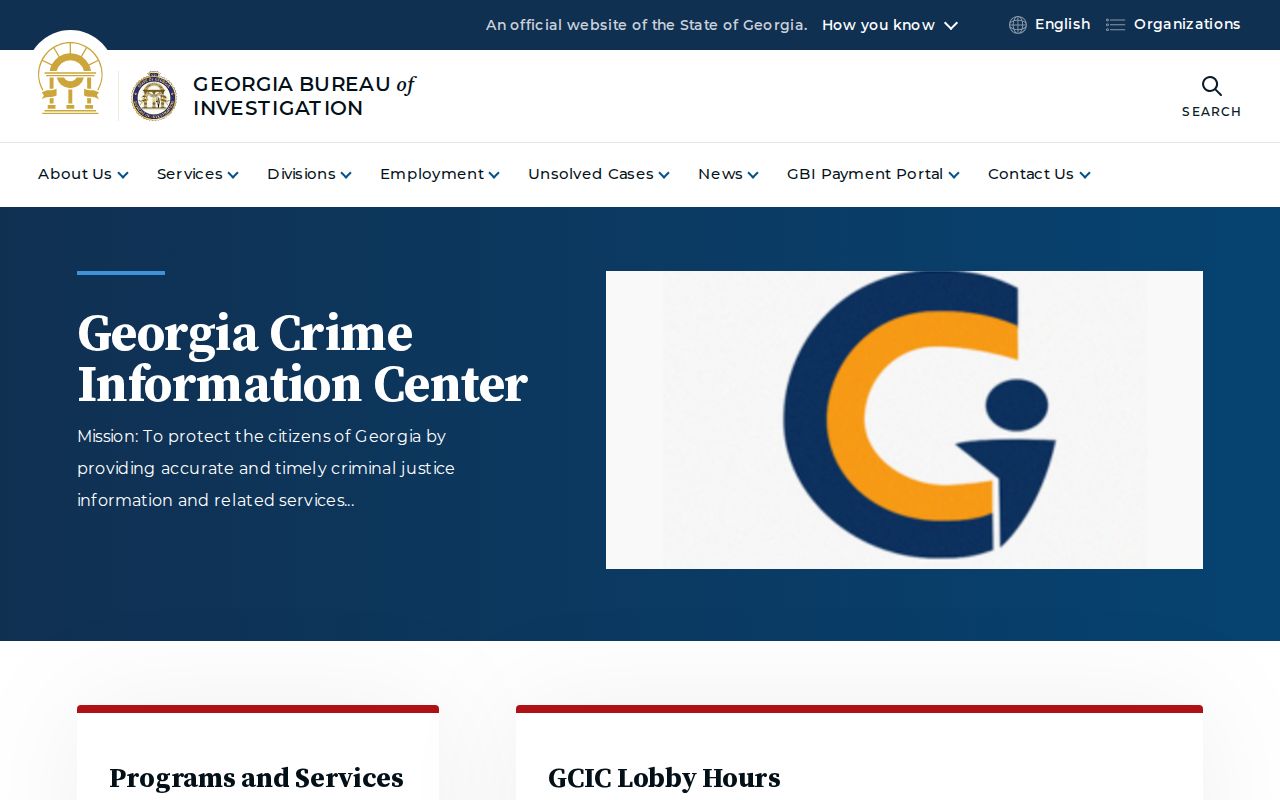
That central role explains why corrections must usually begin with the local agency that sent the entry to GCIC.
Georgia Felon Search reports conviction information based on the identifying details entered and charges the transaction fee shown by the portal. Save the transaction details when a likely match appears. Then compare the conviction with the corresponding Seminole County judgment. For a copy of your own state history, ask the local law-enforcement agency what identification, fingerprints, consent, or local fee it requires. When a record spans other states, a Georgia-only product cannot answer the full question.
Seminole County Fingerprint Records
A fingerprint result is identity-based, unlike a public name match. Registration begins at the GAPS appointment portal, but only an authorized service code opens the correct workflow. The portal is not a general public search for another person. It routes prints and identity data to GBI-AFIS for the purpose authorized by law.
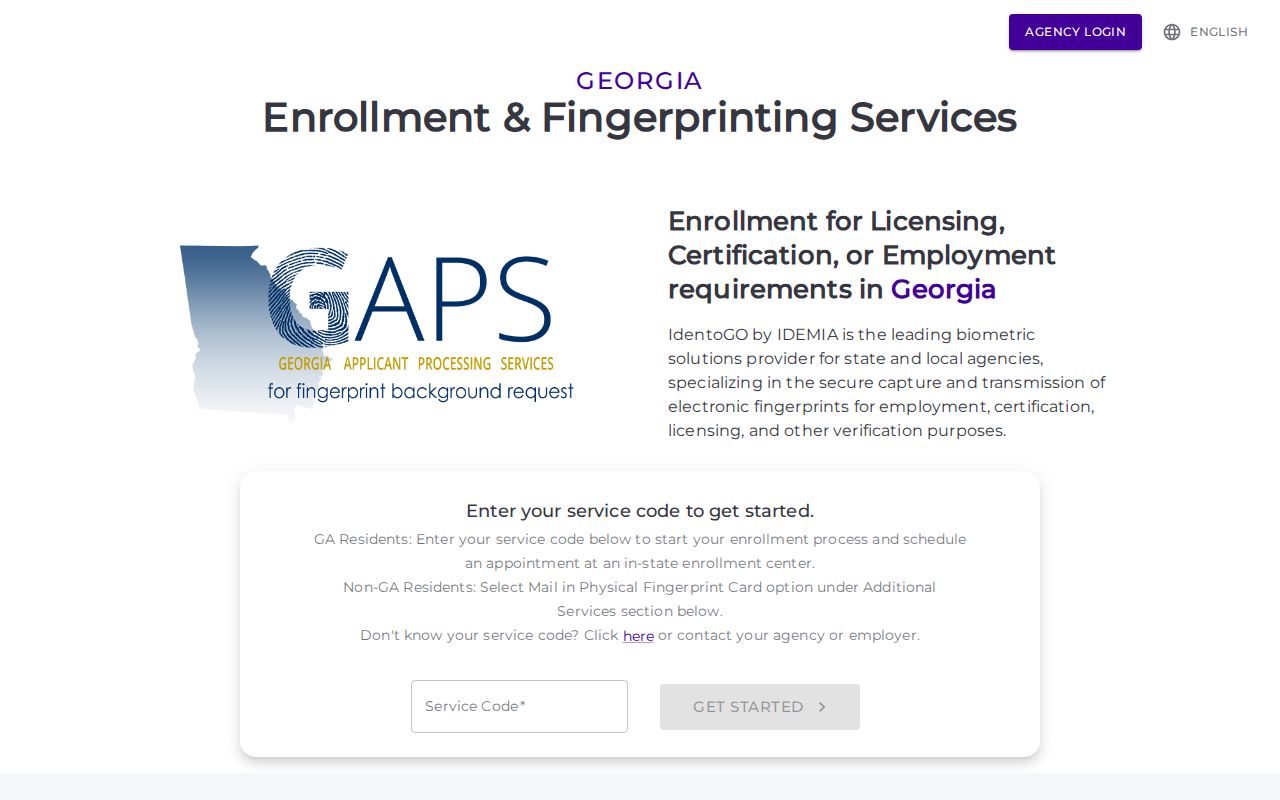
The registration screen separates scheduling from the result itself. The requesting agency, not the public appointment page, receives an authorized response.
| Method | Best Use | Main Limit |
|---|---|---|
| Georgia Felon Search | Public name search for Georgia felony convictions | Name-based and not a complete rap sheet |
| Local agency copy | Georgia history under that agency’s identity and consent rules | Requirements and fees vary by agency |
| GAPS fingerprinting | Identity-based check for an authorized purpose | Requires a valid service code |
| FBI Identity History Summary | Review of your own national identity history | Subject-only process with fingerprints and fee |
Kinds of Criminal Records
Seminole County records are separated by event and custodian. Knowing the difference prevents a common mistake: treating an arrest as a conviction or a jail list as a court docket.
- Arrest and booking records show intake facts, the listed booking charge, arresting agency, bond, and current jail status.
- Criminal court files contain warrants, accusations or indictments, docket events, hearing entries, judgments, and sentencing orders.
- GCIC history entries connect fingerprintable arrest cycles with reported dispositions and state identifiers.
- Warrants may originate in Magistrate, Probate, Municipal, or Superior Court and require confirmation with the sheriff or issuing clerk.
- Supervision and registry records come from DCS, GDC, the parole system, and the Georgia Sex Offender Registry.
Seminole County Booking Flow
The live Seminole jail population list is the fastest public check for current county custody. Its rows can show a booking number, arrest date, arresting agency, days in jail, total bond, and listed charges. Donalsonville Police entries appear there because city arrestees are booked into the county jail. The list is current-custody data, not a historical arrest archive.
Record flow: Incident › Arrest › County booking › Fingerprint submission › Prosecutor’s charge › Court disposition › GCIC update.
Call the jail at 229-524-8396 when a name is missing, a bond field is unclear, or a recent transfer may not yet appear. Request the narrative report from the arresting agency. A Donalsonville Police report stays with the city even when the person appears in the Seminole County roster.
Bond deserves a second check. The roster’s total bond field reflects the jail display at that moment, while the controlling order comes from the court. A later hearing can change release terms. Likewise, the arresting-agency label helps locate the report but does not identify the prosecutor or final trial court. Use the booking number and arrest date when moving from the list to the jail, agency, and clerk records.
Seminole County Records: What They Contain
A criminal record is a linked set of entries, not one fixed document. Match identifiers before comparing the charge and outcome. The offense named at booking may differ from the accusation, indictment, plea, or count of conviction.
| Name & Identifiers | Legal name, aliases, date of birth, physical descriptors, state identification number, and offense tracking number when recorded. |
|---|---|
| Arrest / Booking Data | Arrest date, agency, booking number, listed charge, bond, fingerprint cycle, and custody status. |
| Charges & Statutes | Initial allegations and later prosecutor-filed counts with Georgia code citations. |
| Disposition | Dismissal, acquittal, plea, conviction, or other final action entered by the court. |
| Sentence | Confinement, probation, fines, credit for time served, and special conditions in the judgment. |
| Custody / Supervision | County jail, GDC placement, DCS supervision, or parole status where publicly available. |
Seminole County Court Boundaries
Superior Court is the felony trial court, but it operates within the seven-county Pataula Judicial Circuit. A regional calendar may include Clay, Early, Miller, Quitman, Randolph, Seminole, and Terrell cases. Confirm both “Seminole” and the case number before ordering a file. Magistrate Court handles warrants, first appearances, bond and preliminary hearings, specified misdemeanors, and county ordinance matters. Probate Court handles traffic and game-and-fish cases and may issue warrants or conduct commitment hearings.
The Pataula Circuit Public Defender profile shows how regional services connect to Seminole County.
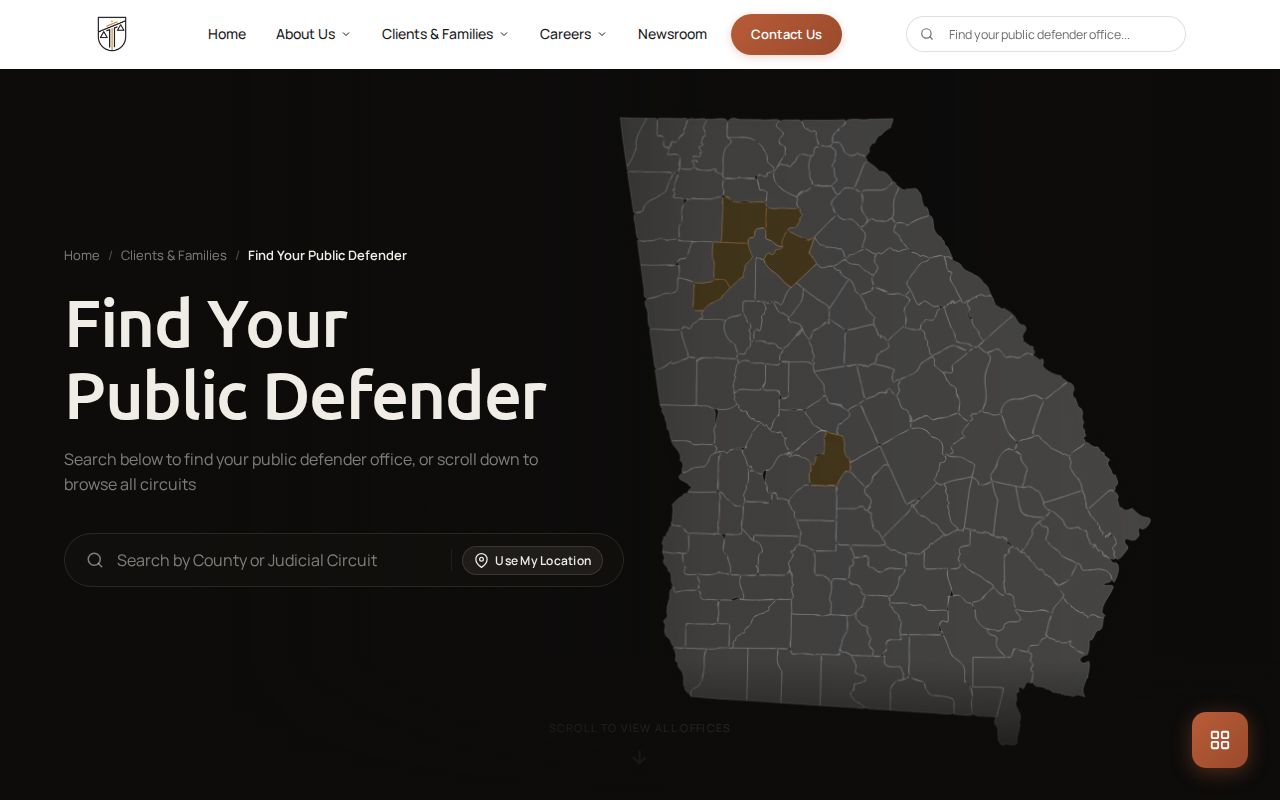
The regional structure also explains why a defense or prosecution contact may be based outside Donalsonville even though the court file remains in Seminole County.
Georgia Public Access Laws
The Georgia Open Records Act starts with public access to existing agency records, subject to exemptions and redaction. A clear request should name the event, agency, date range, people, and desired format. It should ask to inspect or receive an existing record, not require an office to answer questions or create a new report. Criminal-history dissemination has a separate framework, and court sealing can limit what appears in public systems.
Key Statutes:
O.C.G.A. §§ 50-18-70 through 50-18-77 establish Georgia’s open-records process and exemptions.
O.C.G.A. § 35-3-34 governs public dissemination of Georgia criminal-history information.
O.C.G.A. § 35-3-37 controls record restriction and correction procedures.
O.C.G.A. § 42-1-12 establishes Georgia registration and sheriff-reporting duties.
Seminole County Records Requests
The Sheriff’s Office does not publish a dedicated online records platform. Submit a focused request through the current office channel and confirm the accepted delivery method before sending it. The office number is 229-524-5115, the administrative fax is 229-524-8906, and the open-records fax is 229-524-8528. Processing hours are 9 a.m. to 5 p.m. on weekdays other than holidays.
Give the incident or arrest date, location, report number if known, full names and birth dates needed to identify the file, the arresting agency, and whether inspection, electronic delivery, or paper copies are requested. Ask for an estimate when search, retrieval, or redaction may create a charge. For a court file, contact the clerk instead. Georgia’s court E-Access page lists Seminole Superior Court but redirects users to an account-based provider; it is not a free, complete statewide criminal docket.
Restricted, Sealed & Expunged Records
Georgia calls the main process record restriction, not destruction or expungement. Restriction limits dissemination of eligible history under O.C.G.A. § 35-3-37. Some court material may also be sealed by order. First Offender Act discharge and pardon-based relief are different routes with their own qualifications. A dismissed charge does not vanish from every system on its own.
For arrests before July 1, 2013, the applicant generally starts with the arresting agency and prosecutor. For later arrests, the prosecutor processes the request. GCIC lists a $25 processing fee when its review is required, paid by certified check or money order. If an entry is wrong or lacks a disposition, correct the source agency or clerk record first because GBI requires documentation or authorization from the submitting agency.
The GBI restriction page supplies the current forms and eligibility routes.
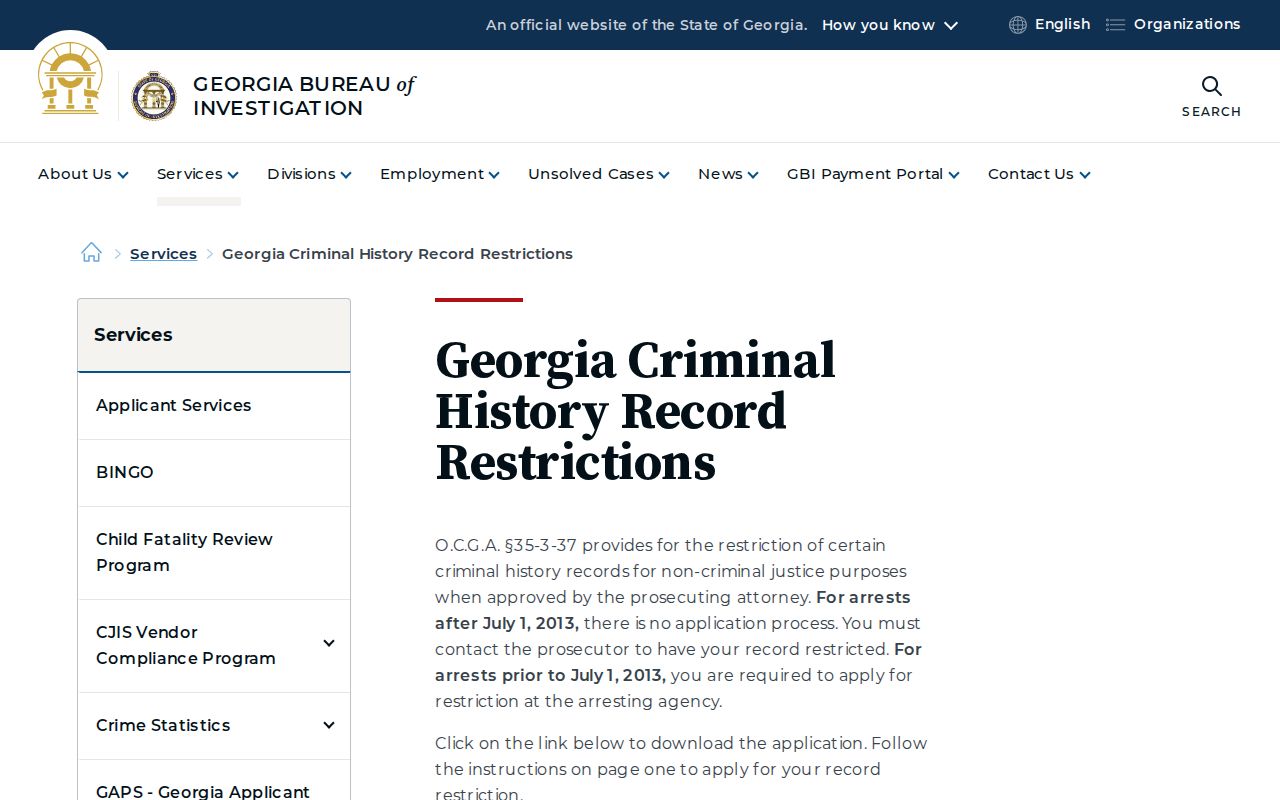
The state page distinguishes restriction from sealing and shows why the arrest date changes the filing path.
Restriction decisions depend on the charge, outcome, date, and statutory route. Juvenile confidentiality, court sealing, First Offender treatment, and a pardon are not interchangeable labels. Ask the clerk for the final disposition before starting. If the case ended in more than one count, review each count because eligibility may differ. Keep certified proof of the outcome and any signed order; those documents are often what the repository needs to reconcile a missing or inaccurate entry.
Federal Records Beyond Seminole County
Federal records use separate systems. Seminole County lies in the Middle District of Georgia. Public federal docket searches use PACER, which requires registration and may charge fees. Federal custody searches use the Bureau of Prisons locator. Neither system replaces a county court or jail search.
The PACER gateway provides the federal docket account and search route.
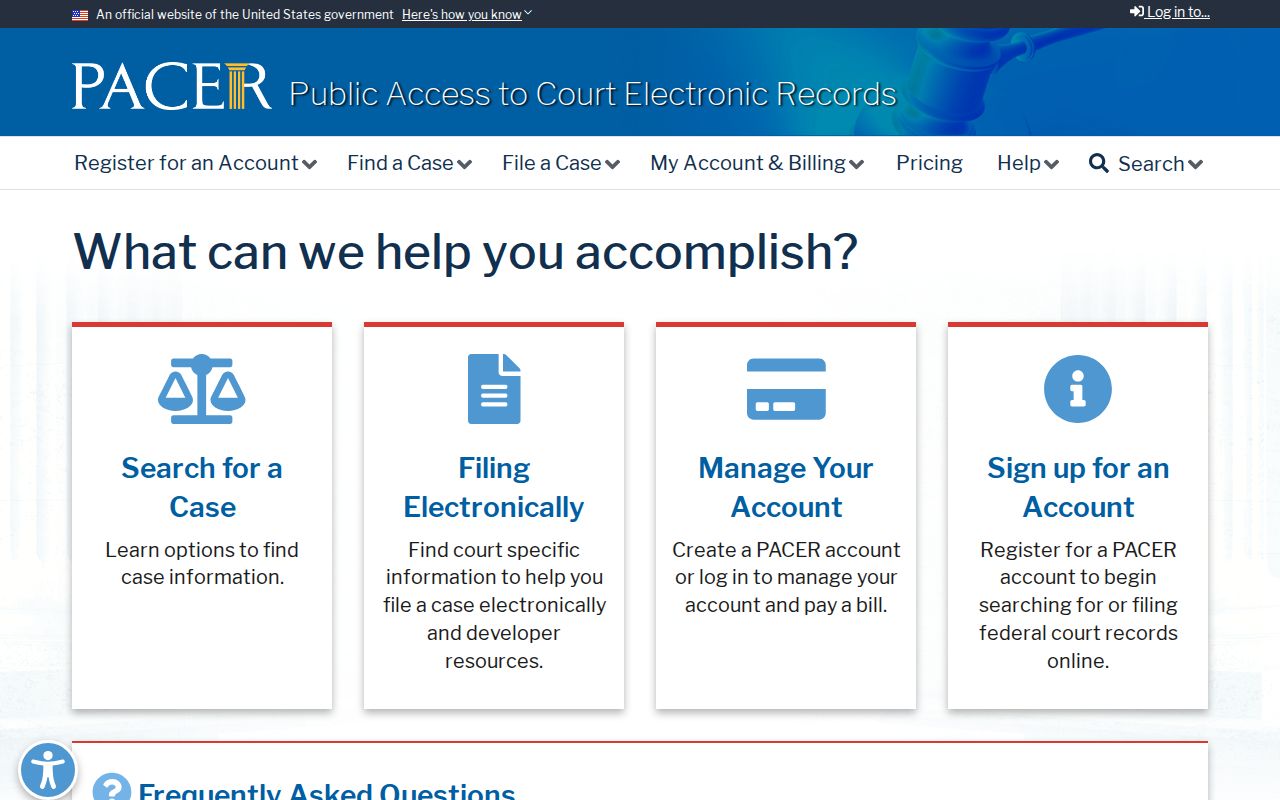
A local arrest that develops into a federal prosecution can therefore split records among the sheriff, federal court, and federal custody system.
For a personal national record review, the FBI Identity History Summary is subject-only. The electronic request portal begins that process.
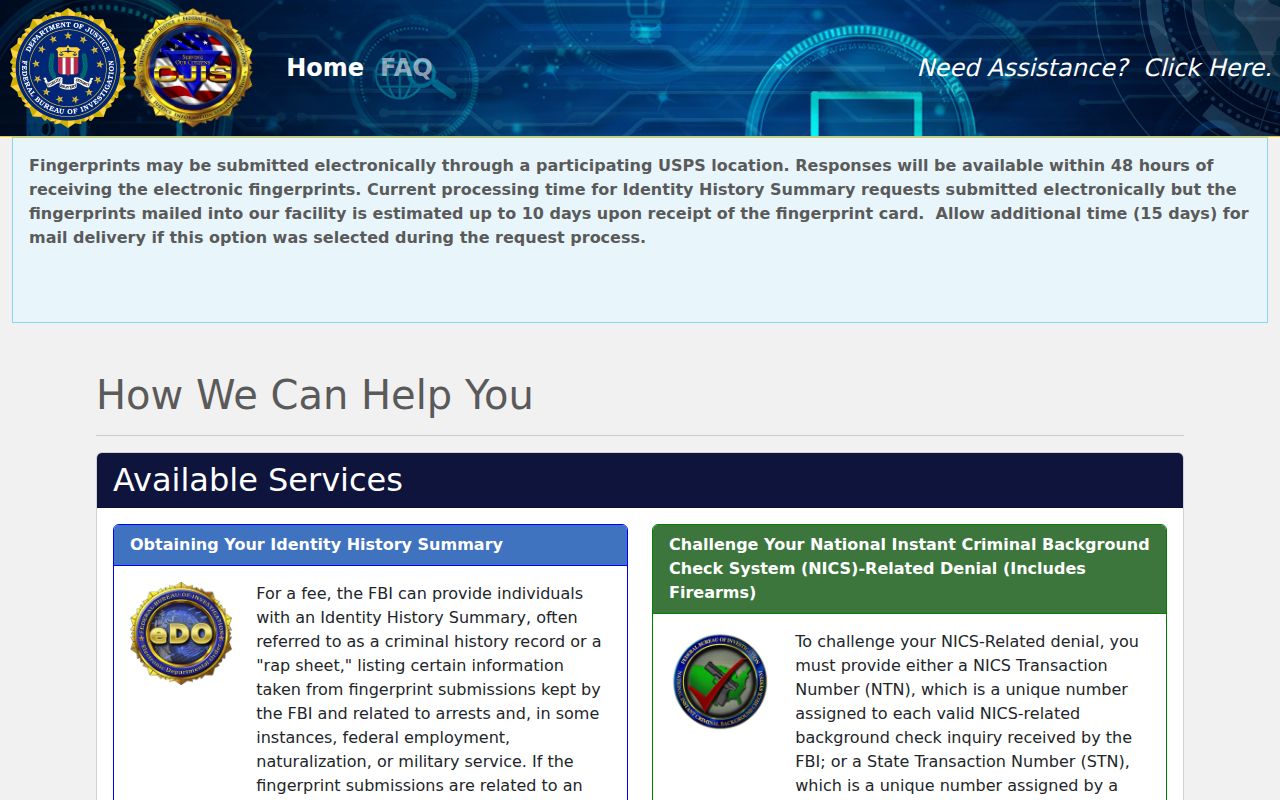
The FBI route requires fingerprints and a fee; it is not a public name-search product.
Seminole County Custody Changes
County jail and state prison searches answer different time periods. The Seminole list covers people currently held at the local jail. After a state sentence and transfer, use GDC Find an Offender. Search fields can include name, case number, gender, race, age range, offense, county, facility, and status. Federal custody stays separate in the BOP locator.
A transfer can create a short period when the county list no longer shows the person and the state profile has not yet updated. Confirm custody by phone when timing matters. Probation and parole are also distinct: Georgia DCS performs state community supervision, while the State Board of Pardons and Paroles makes parole decisions.
City-by-City Records in Seminole County
Seminole County has two incorporated places. Donalsonville has its own police department, public-records form, and municipal court channel. Iron City has no independently verified police department, court portal, or online request form, so the town office and Seminole County Sheriff form the practical fallback. City reports can lead to county booking and court files, but each custodian keeps its own source record.
Donalsonville Record Check
2020 population 2,833 · City police reports and municipal matters use Donalsonville channels before county follow-through.
Iron City Record Check
2020 population 312 · Town Hall and the county sheriff are the verified starting points.